Visiting Laguna Chaxa in Chile
Visiting Laguna Chaxa in Chile: Flamingos in the Desert
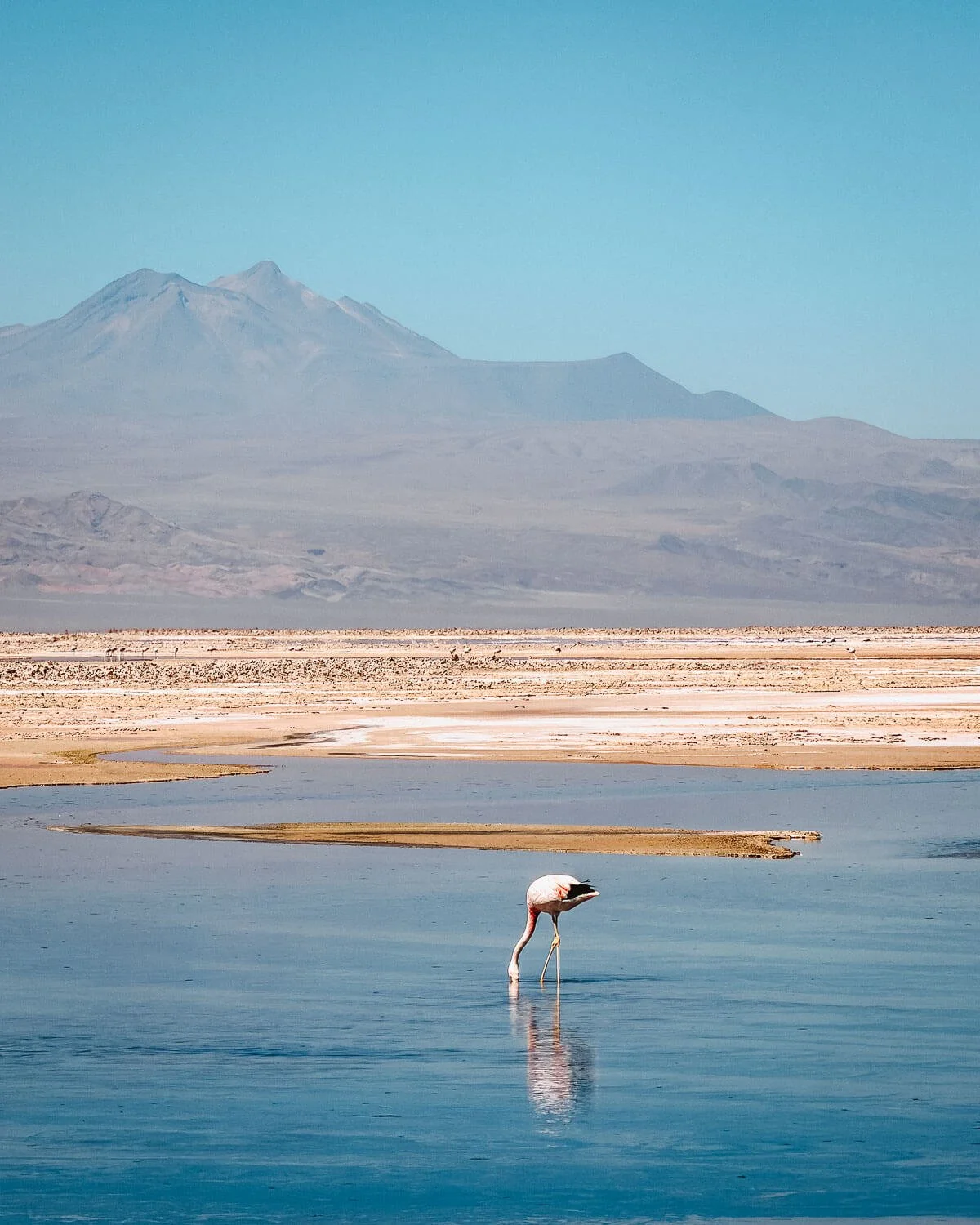
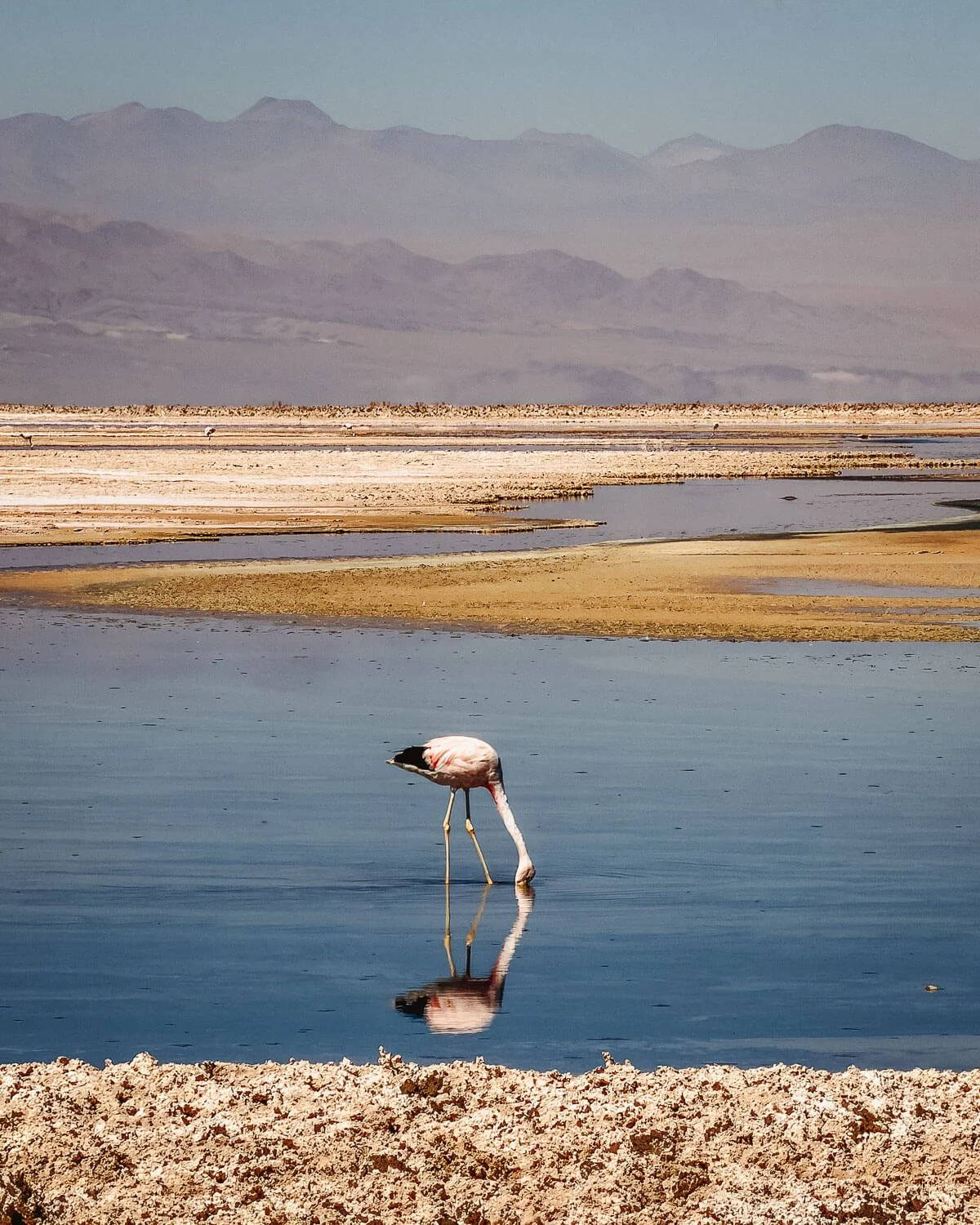
Let me paint you a picture. You're standing in the driest place on Earth. Some weather stations here have never recorded a single drop of rain. The ground is a blinding white salt crust that crunches under your feet, the air is so thin it makes your lungs work overtime, and the whole landscape looks like it belongs on Mars just like Valle de la Luna. And then you look up and there are flamingos. PINK FLAMINGOS. Just casually wading around like this is completely normal.
That's Laguna Chaxa, and I was not ready for it.
This post contains affiliate links, which means I may earn a small commission if you book through them, at no extra cost to you.
Laguna Chaxa is in Chile's Atacama Desert, about 50 minutes south of San Pedro de Atacama, and it is hands down one of the most surreal experiences. It's part of the Reserva Nacional Los Flamencos (the National Flamingo Reserve, in case the name wasn't enough of a hint), and it's the most accessible flamingo breeding site in the whole area. While there are several salt lakes in the area to see flamingos, Laguna Chaxa is the easiest to get to, especially if you are renting a car yourself. Seeing the flamingos in the Atacama Desert is a perfect San Pedro de Atacama day trip.
Not renting a car? Tours from San Pedro combine Laguna Chaxa with the altiplanic lagoons. Just check to see if the tour includes the fees for the parks when you book!
How to get to Laguna Chaxa from San Pedro de Atacama
As of 2026, buy your tickets in advance online. Here is where you can buy tickets online. I’ve heard mixed reviews about being able to purchase on arrival, and given how far out this is, you do NOT want to make that drive only to be turned away. You can always check with your hotel for the current ticketing situation too. Entry fee is roughly $14 (US). You should also take identifying documents with you, as per the website.
Don't Trust Google Maps for Laguna Chaxa
IMPORTANT: when you're plugging this into Google Maps, search for "Laguna Chaxa Park" or use these coordinates. Do not use the lake coordinates. When you type it into Google maps it immediately takes you to the lake, this will not give you the correct coordinates. The lake point on Google Maps will send you down a private mining road and nobody needs that kind of adventure, especially since it adds a whole hour to your journey that is unnecessary.
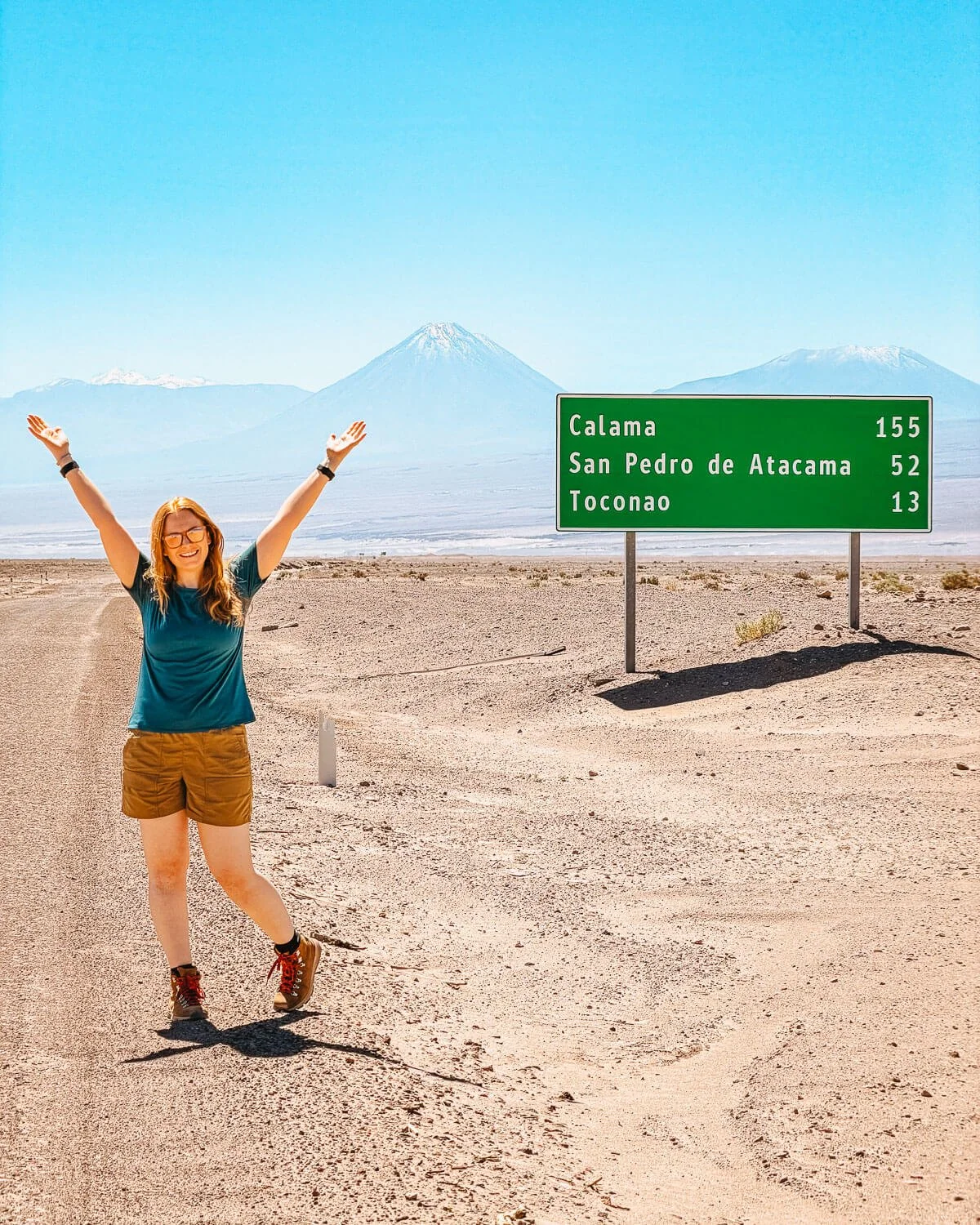
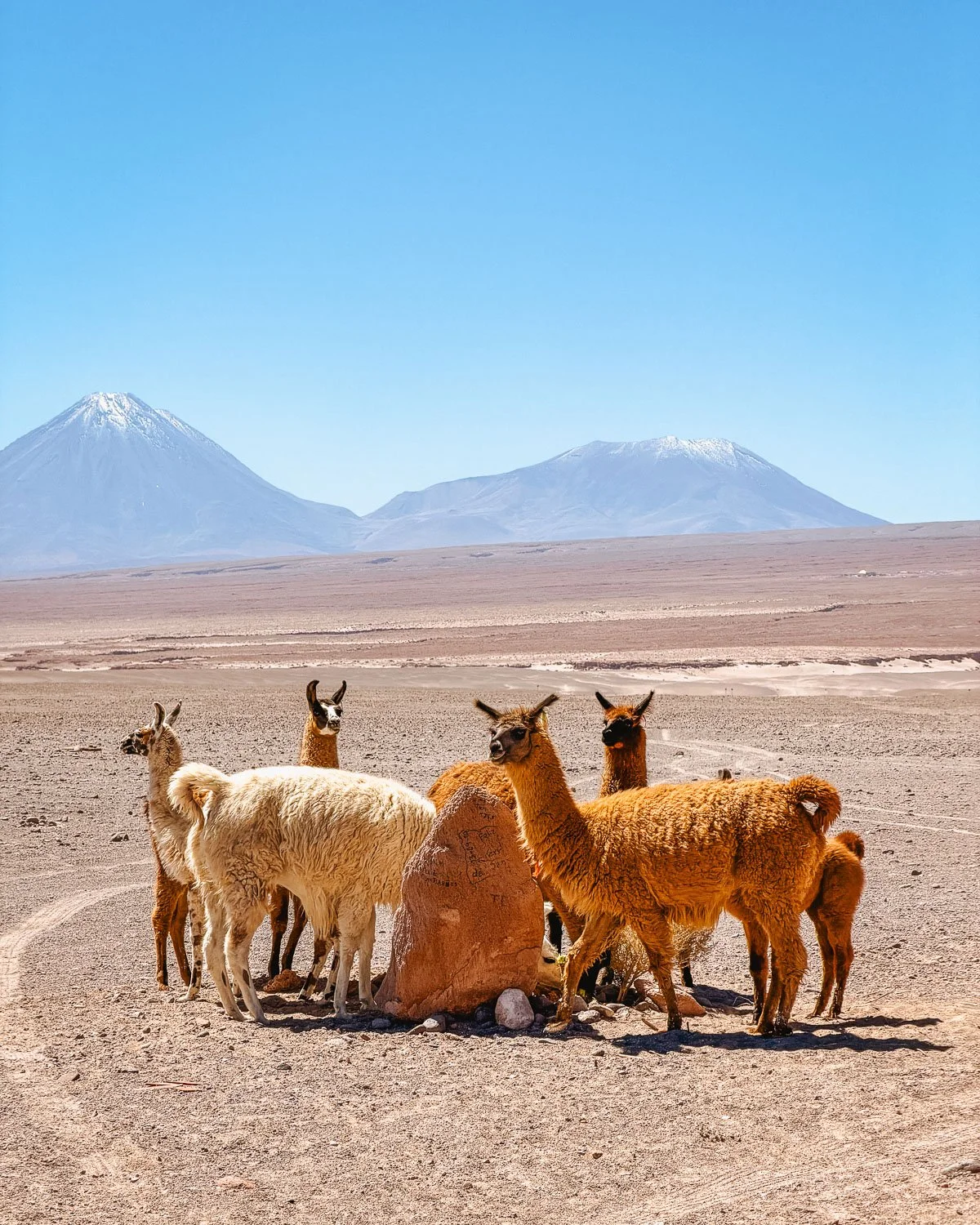
To get there, take Route 23 south from San Pedro about 41km towards Toconao. Just past the village, look for the sign for Salar de Atacama, then almost immediately after that a smaller sign for Laguna Chaxa 24. Turn right onto Route B-355, follow that for 11.5km, then turn right onto Route B-373 and drive another 10km to the parking lot. Along your way you may even see some llamas.
How to see the Flamingos at Laguna Chaxa
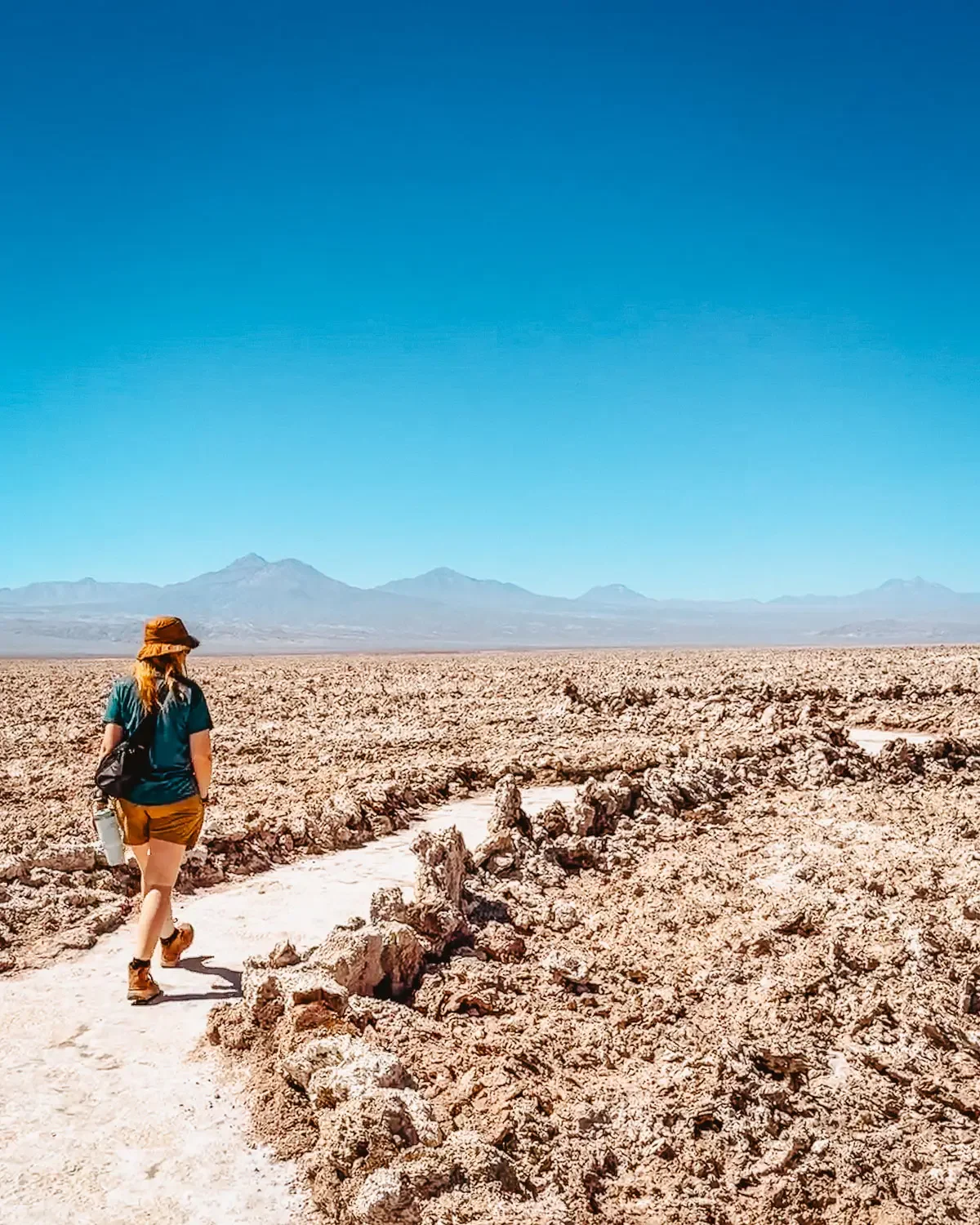
When you arrive at Laguna Chaxa the attendants will inform you to reverse park. This is to make it easier for everyone to leave the area if one of the volcanos erupts and you need to get out of there quickly (love that this is something to consider!) They will then show you a map and explain the site and how to navigate it. It is really easy and well organized, it is basically one big loop. Each stop has signage in both English and Spanish. The attendants do remind you to be quiet since it is a habitat for wild animals and the silence, as someone who is easily overstimulated by noise, is fabulous. Don’t ruin it for everyone else!
When to go to the Laguna Chaxa
The opening hours for Laguna Chaxa is from 7 am to 6 pm. Other visitors recommend visiting either at sunrise or sunset (as close to as possible with the opening hours). The light bouncing off the salt flats and reflecting in the lagoon at those hours is supposed to be amazing and flamingos are also more active at those times, which means better viewing and better photos.
My mom and I arrived close to midday. We had a bit of a lazy morning trying to adjust to the climate and the flying. I wouldn’t recommend this time. I got really sunburnt on the back of my legs. I applied sunblock but it must have rubbed off when I sat down in the car seat before getting out. The lagoon is completely exposed and the altitude means the UV is no joke. The salt flats reflect the sun back at you, which is both beautiful and brutal. Maybe another reason to go at sunset and sunrise to avoid the harsh sun and reflection. Tours are timed for the good light, which I now see the appeal of.
Aim to spend about an hour to two hours at Laguna Chaxa based on how interested you are in the wildlife. The visit can definitley be done in less time but I really enjoyed myself and we spent an hour here.
Tips for visiting Laguna Chaxa
Dress for the sun. As I said above, the lagoon is exposed, at high altitude, and the salt reflects the light. Make sure you have sunblock, water, a hat, and consider staying covered up despite the heat - especially if you are fair-skinned like me. It is super easy to get sunburnt here.
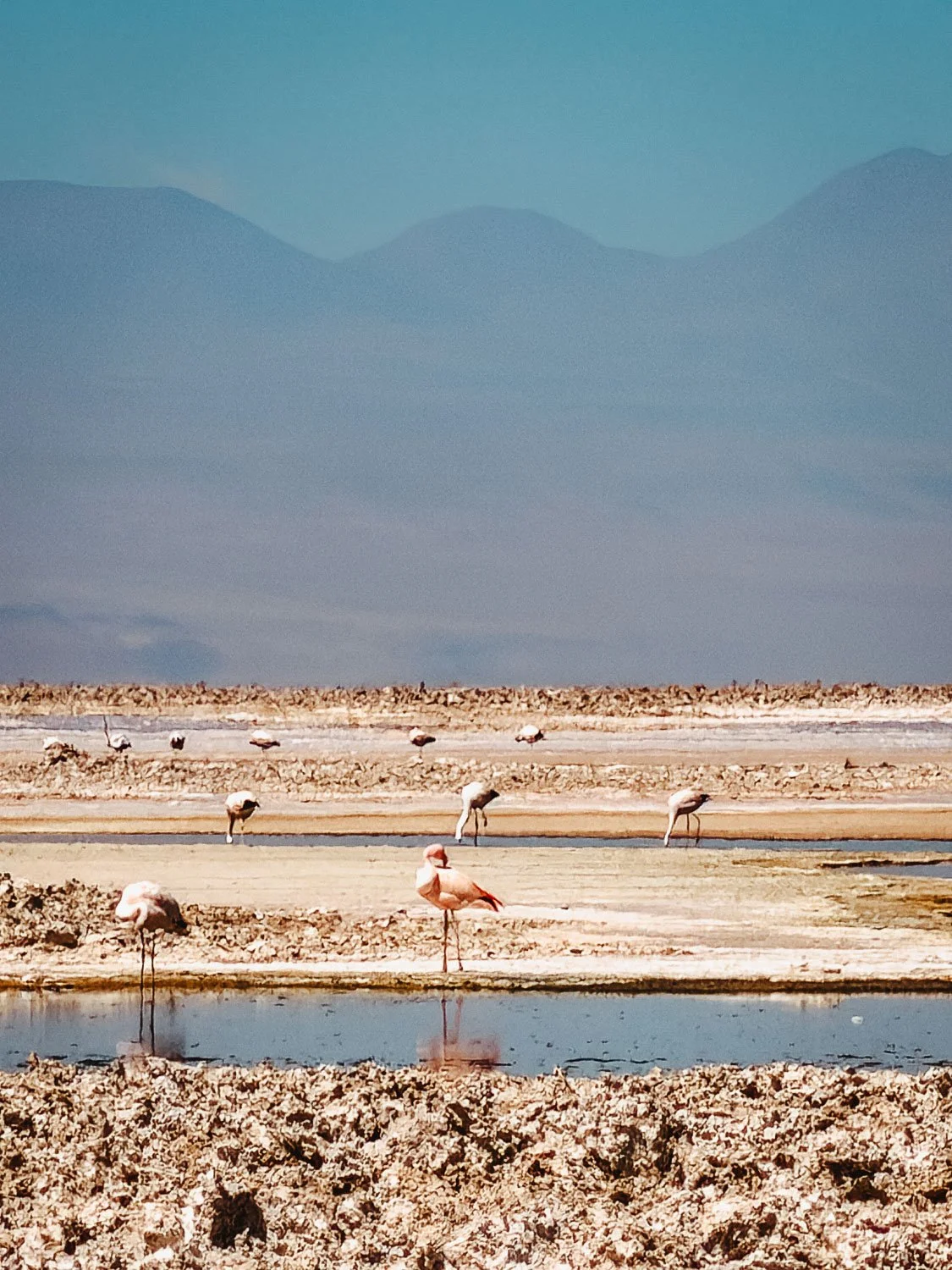
If you want good pictures of flamingos, bring a camera with a decent zoom lens. The flamingos are close-ish to the viewing deck, but not close-enough for incredible photos.
Bring binoculars if you are able to so you can see them and potentially identify the different species.
There are bathrooms on site. There is no potable water on site. Bring your own.
No food or water to buy on site
Buy tickets online before heading to the site
Use the correct coordinates! Don’t trust Google’s first suggestions for it!
Stop at the Visitor Centre first
Before you head out to the lagoon, pop into the small visitor centre at the entrance. Now, I know what you're thinking… "I didn't come all the way to the Atacama to read information boards". But hear me out. The centre explains the three different flamingo species living here and how to tell them apart, which turns out to be very useful information once you're staring at a bunch of pink birds going "wait, are they all the same??" (They are not.)
There's also this incredible little aquarium tank showing the tiny brine shrimp and microalgae that make this whole ecosystem possible. Those microscopic little creatures are the entire reason the flamingos are here. They literally eat them out of the salty water with their specially adapted bills. The same algae, by the way, is what makes the flamingos pink. (Yep. The same reason eating too many carrots can turn you orange. Nature is WILD.)
The 3 Flamingo Species of Laguna Chaxa
Laguna Chaxa is one of the only places on Earth where you can see all three Andean flamingo species in one spot. THREE. Together. In a salt desert. In the middle of nowhere. Here's your cheat sheet so you don't spend your whole visit squinting or if you missed the info boards:
The Chilean Flamingo is the easiest to spot as it is the most vividly pink of the three, with greyish legs and distinctive pink "knees" (which are technically their ankles, but let's not get into that). They're usually the first ones you'll see because there are a LOT of them, and they tend to stomp around in little circles to stir up food from the lake floor.
The Andean Flamingo is the tallest and, plot twist, also the rarest flamingo species on the entire planet. You'd think being the rarest would make them harder to find, but Laguna Chaxa is actually one of THE best places in the world to see them. Look for their golden-yellow legs and the fact that more than half their bill is black.
Lastly there is James's Flamingo, which is the smallest of the three and honestly the most dramatic backstory. Scientists thought it was EXTINCT until 1957 when someone rediscovered it in Bolivia. It's still the hardest one to spot here. Look for red legs, a red mask around their eyes, and a short stubby yellow bill with just the tip in black. Basically they look like they got into a tiny bit of lipstick and called it a day.

Chilean Flamingo

Andean Flamingo
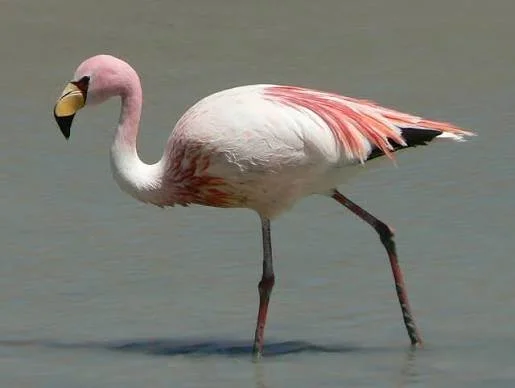
James Flamingo
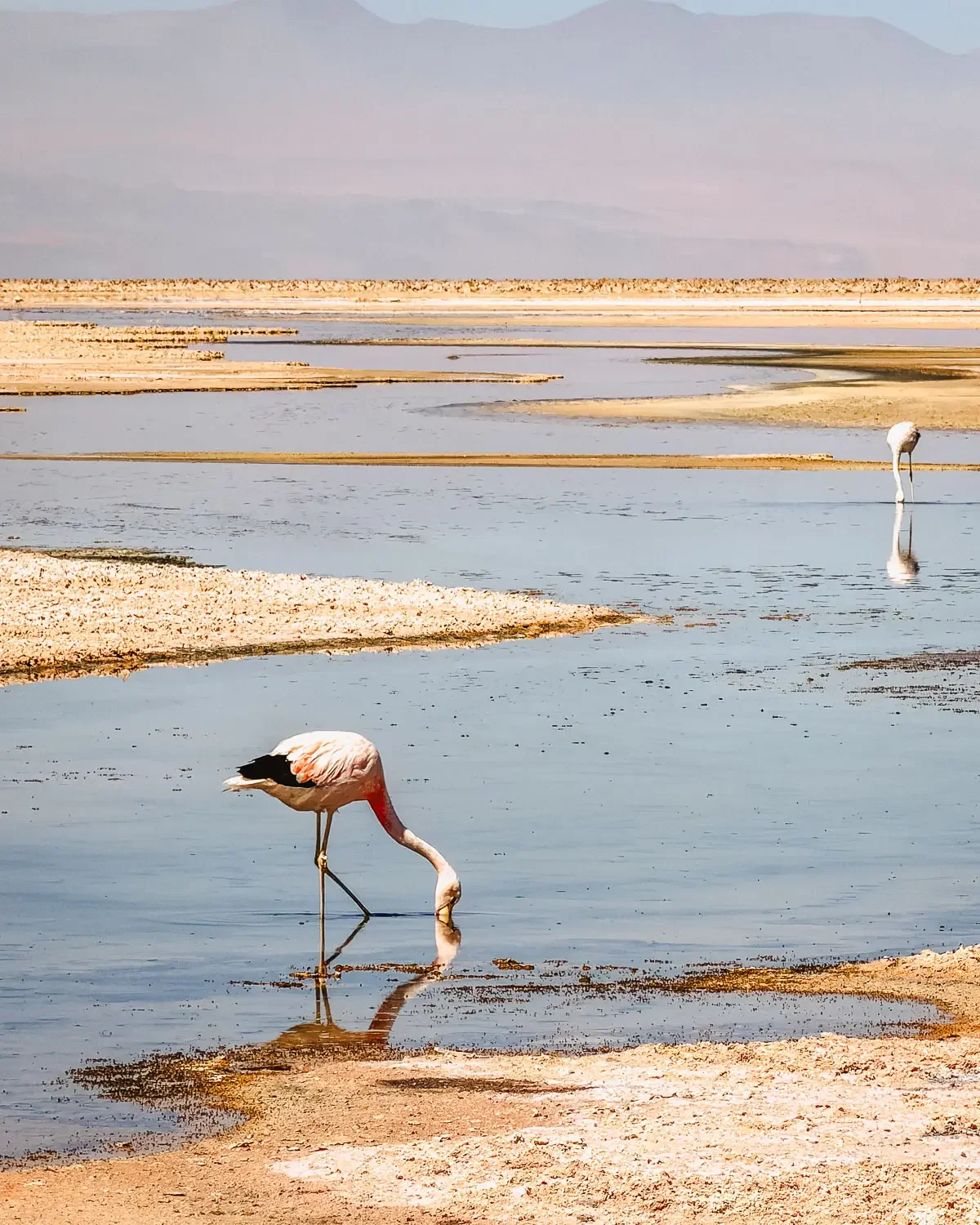
On our visit, looking back at our pictures (because it's hard to tell when the sun is beating down on you), I think we only saw the Chilean Flamingo and the Andean Flamingo. There were not as many flamingos as I expected during the time that we were there, but perhaps that was on account of the time of day.
Is Laguna Chaxa Worth it?
Oh, absolutely. A thousand percent. Standing there in the silence of an alien salt desert, watching impossibly pink(ish) birds go about their ancient routines completely unbothered by any of us is something incredible to behold. The silence was also wonderful. It's a reminder that no matter the harshness of the landscape, life will still find a way. In pink!
Tour vs. Self Drive
My mom and I did a self-drive with our rental car in the Atacama Desert. As long as you have the correct coordiantes, it is an easy drive to Laguna Chaxa. The roads are dirt roads, but they are pretty well maintained. Plenty of parking as well. However, if you don’t want the hassle of a rental car and driving in a different country in the middle of nowhere, a tour is good too. Many of the tours to Laguna Chaxa also add on Laguna Miscanti and Miniques on the same day. Both are perfectly good options and should be determined based on your own preferences.
More from the Chile, the Atacama Desert and San Pedro:
Frequently Asked Questions about Laguna Chaxa
Is Laguna Chaxa worth visiting?
A thousand percent yes. It's one of the only places on EARTH where all three Andean flamingo species hang out together, and the silence of the salt flat alone is worth the drive. If you're in San Pedro de Atacama and you skip this, we need to talk.
How much does Laguna Chaxa cost?
As of 2026, entry is about $14 USD (13,800 Chilean pesos) for foreign visitors. Buy your tickets online in advance — I've heard mixed things about buying on arrival, and this is NOT a place you want to be turned away from after an hour of driving.
How far is Laguna Chaxa from San Pedro de Atacama?
About 50 minutes by car (roughly 62km via Route 23 and the turnoffs past Toconao). Just please, PLEASE use the park entrance coordinates and not Google's first suggestion, unless you enjoy private mining roads and an extra hour of your life gone.
Do I need a tour to visit Laguna Chaxa?
Nope! It's the most accessible flamingo site in the area if you have a rental car. That said, if you're not driving, plenty of tours from San Pedro combine Chaxa with the altiplanic lagoons and Piedras Rojas in one (long) gorgeous day.
What time should I visit Laguna Chaxa?
Early morning or late afternoon. The light on the salt flats is better, the flamingos are more active, and you're less likely to end up with a sunburn on the backs of your legs. Ask me how I know. Opening time as of 2026 is 7 am to 6 pm.
How long do you need at Laguna Chaxa?
About an hour to walk the loop at a relaxed, flamingo-gawking pace. Add time for the visitor centre (do it, the brine shrimp tank is weirdly delightful).